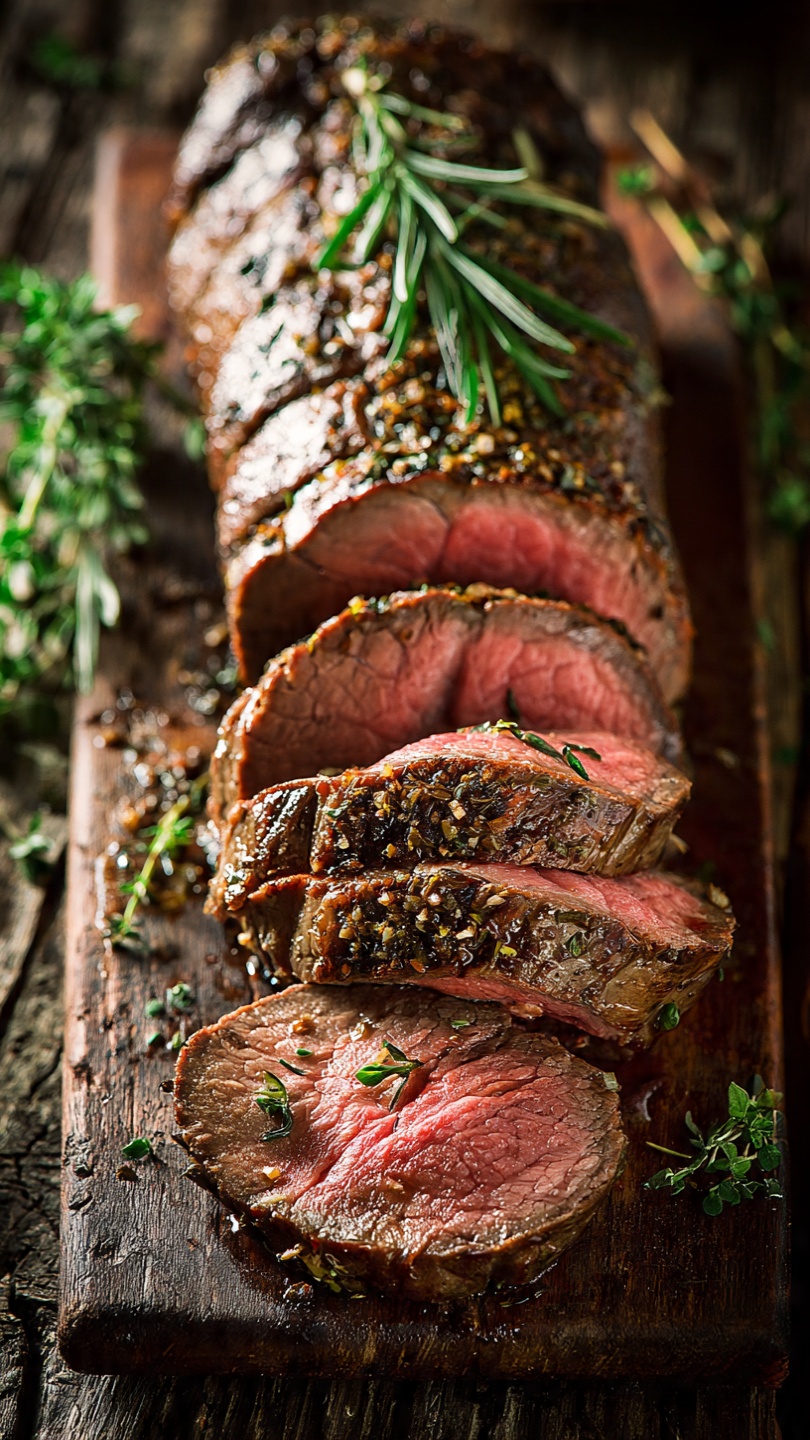
Million Dollar Roast Beef Tenderloin
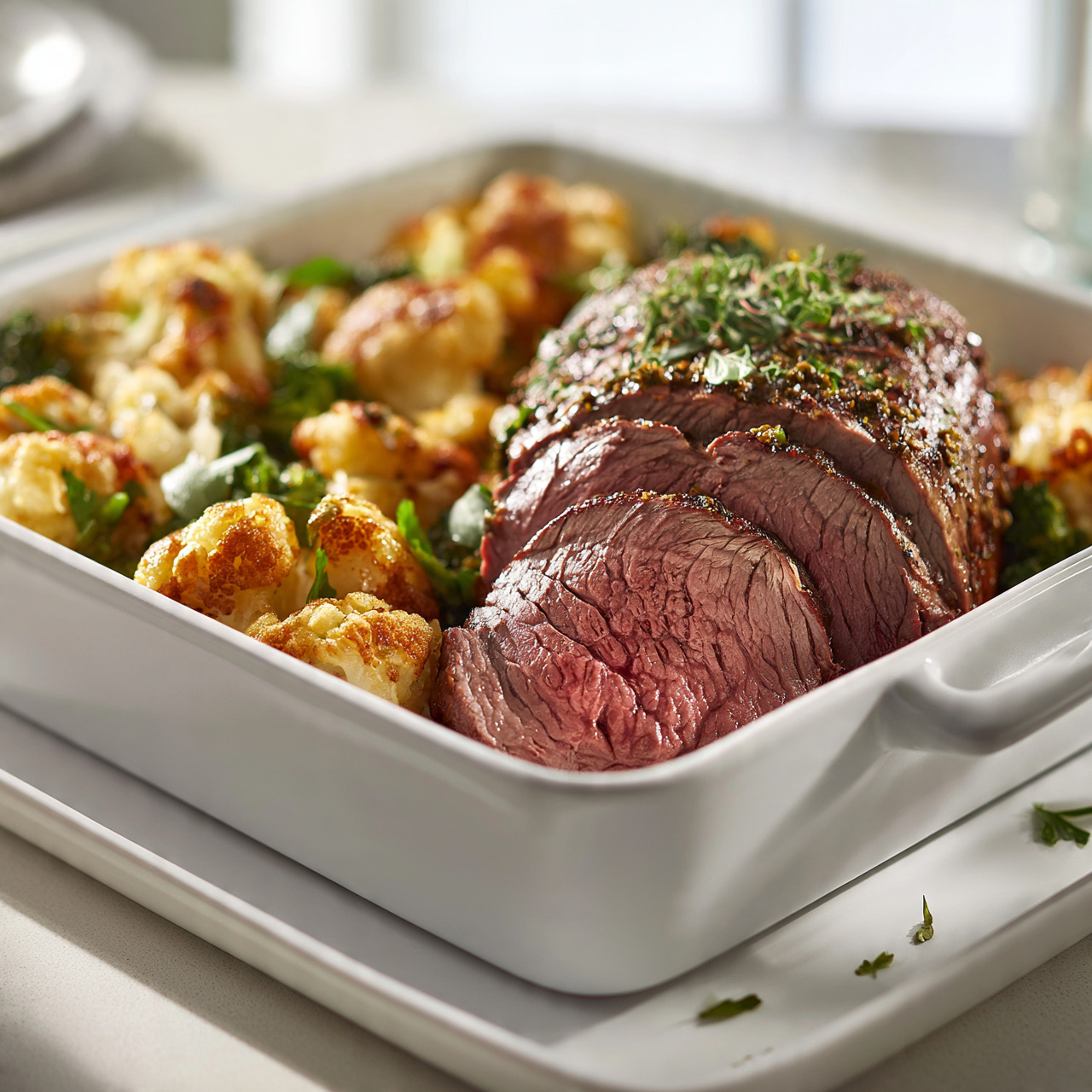
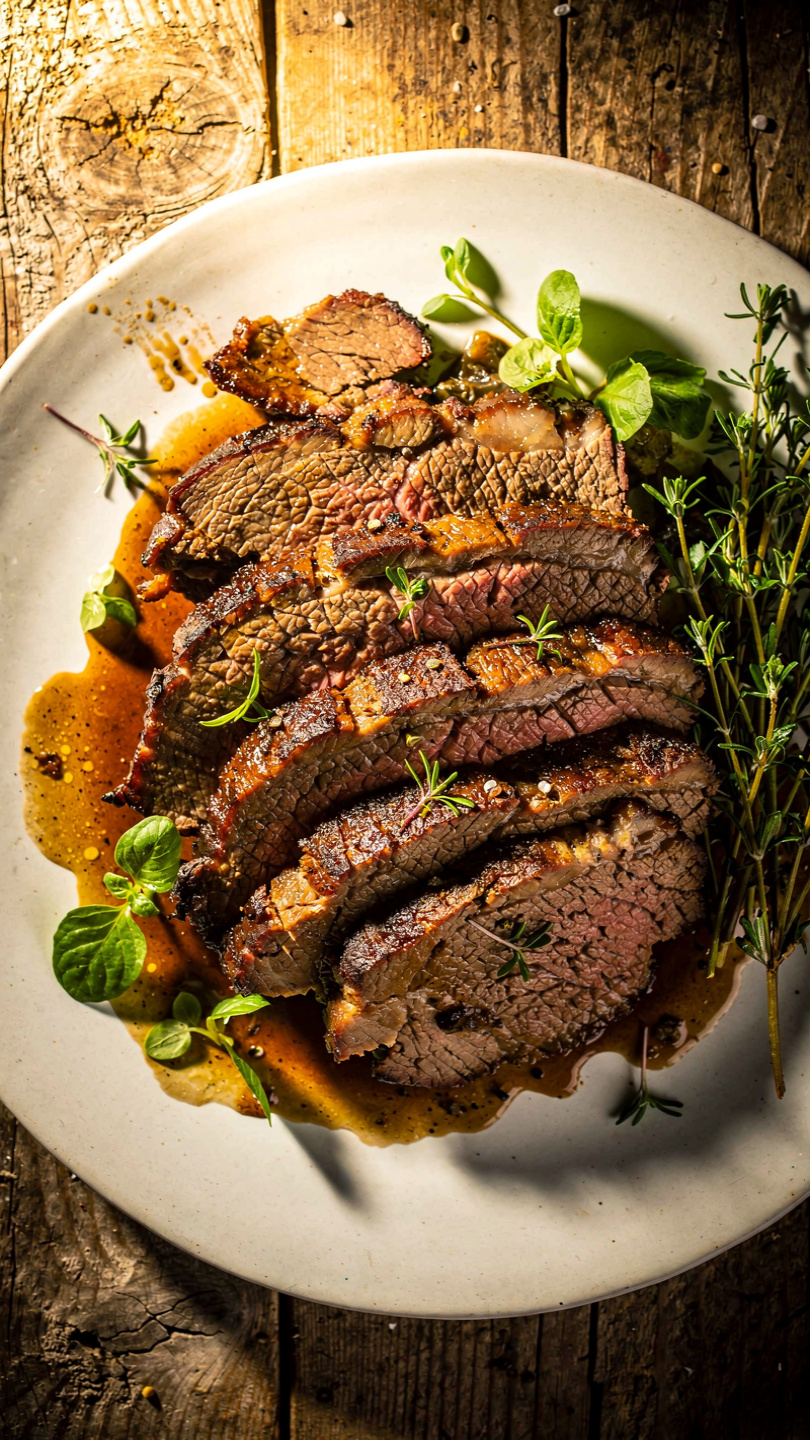
This Million Dollar Roast Beef Tenderloin delivers a perfectly seared, herb-crusted filet mignon roast with a buttery, melt-in-your-mouth center that is worthy of any special occasion.

The Roast That Earns a Standing Ovation Every Single Time
There are dishes you make on a Tuesday night, and then there are dishes that make a whole room go quiet the moment they hit the table. This Million Dollar Roast Beef Tenderloin belongs firmly in the second category. Herb-crusted on the outside, rosy and buttery all the way through, and finished with a silky pan sauce, this is the kind of oven baked beef tenderloin recipe that turns a dinner party into a memory.
The beauty of a whole tenderloin roast is that it looks impossibly lavish but is actually one of the more forgiving cuts of beef you can roast at home. No braising, no babysitting, and no guesswork if you have a reliable thermometer on hand. Whether you are cooking for the holidays, a birthday celebration, or simply because the people at your table deserve something extraordinary, this recipe delivers every time.
Why Beef Tenderloin Is Worth Every Penny
The beef tenderloin sits along the spine of the animal and does almost no work during the animal's life. That means zero connective tissue, zero toughness, and a texture so fine it practically dissolves on your tongue. When people talk about a filet mignon roast or a prime tenderloin roast, they are referring to this exact muscle, whole and uncut.
A center-cut roast gives you a uniform thickness from end to end, which is the key to even cooking. Ask your butcher to trim the silverskin and chain for you if possible. That little shortcut saves time and ensures the seasoning clings to every surface instead of sliding off tough membrane.
Chef's Note: Always tie your tenderloin with kitchen twine at 2-inch intervals before roasting. Without it, the thinner tail end will overcook long before the center reaches temperature. A tight, even cylinder is the secret to a roast that slices into perfect medallions.
The Seasoning Is Everything
This recipe uses a two-part beef tenderloin seasoning strategy that separates it from a basic salt-and-pepper roast. First comes a dry rub of kosher salt, cracked black pepper, garlic powder, and smoked paprika, applied directly to the patted-dry surface. Then comes the herb butter paste, a mixture of softened butter, fresh rosemary, fresh thyme, minced garlic, Dijon mustard, and Worcestershire sauce, slathered over the roast right after searing.
The dry rub builds a serious crust. The herb butter melts into every crevice in the oven and bastes the meat from the outside in. Together, they create a flavor that tastes like it came out of a high-end steakhouse kitchen.
Key seasoning tips:
- Use coarsely ground black pepper, not fine. The texture matters for crust.
- Fresh herbs make a noticeable difference here. Dried rosemary and thyme work in a pinch but the flavor is more muted.
- Do not skip the Dijon. It acts as a binder and adds a subtle, savory depth that you won't taste outright but will absolutely miss if it's gone.
The Right Tools Make the Difference
A cast iron skillet and a quality instant-read thermometer are the two tools that will make or break this recipe. Using the right equipment here means the difference between a roast that wows and one that disappoints.
How to Roast Beef Tenderloin in the Oven
The technique here follows a classic high-heat sear followed by a hot oven finish, and it works beautifully every time. Here is the general flow:
- Bring the meat to room temperature. Cold beef straight from the fridge cooks unevenly. Give it a full 45 to 60 minutes on the counter.
- Pat it completely dry. Moisture is the enemy of a good sear. Paper towels are your best friend here.
- Sear hard and fast. You want a deep mahogany crust on every surface, not a gray steam. High heat, a heavy pan, and patience per side are all you need.
- Apply the herb butter, then roast. The residual heat of the seared roast starts melting that butter paste immediately, and the oven takes it the rest of the way.
- Rest the roast. This is non-negotiable. At least 15 minutes under a loose foil tent lets the juices redistribute so every slice stays succulent.
For a classic roasted beef tenderloin, medium-rare is the gold standard. Pull it at 125 degrees F and it will land right at 130 degrees F after resting. That soft, rosy interior is exactly what makes this cut worth the price tag.
Temperature Guide:
- Rare: pull at 120°F, rest to 125°F
- Medium-Rare: pull at 125°F, rest to 130°F
- Medium: pull at 130°F, rest to 135°F
- Well Done: not recommended for this cut
Ready to make the roast everyone will be talking about long after the plates are cleared? Here is the complete recipe:
Million Dollar Roast Beef Tenderloin
This Million Dollar Roast Beef Tenderloin delivers a perfectly seared, herb-crusted filet mignon roast with a buttery, melt-in-your-mouth center that is worthy of any special occasion.
Ingredients
- 3 lb beef tenderloin roast, center-cut, trimmed of silverskin
- 2 tsp kosher salt, plus more to taste
- 1 1/2 tsp black pepper, coarsely ground
- 1 tsp garlic powder
- 1/2 tsp smoked paprika
- 3 fresh rosemary sprigs, leaves stripped and finely minced
- 4 fresh thyme sprigs, leaves stripped and finely minced
- 4 garlic cloves, minced
- 4 tbsp unsalted butter, softened, divided
- 2 tbsp olive oil, extra virgin
- 1 tbsp Dijon mustard
- 1 tbsp Worcestershire sauce
- 1/2 cup beef broth, low sodium, for pan sauce
- 1/4 cup heavy cream, optional, for pan sauce
Instruction
Remove the beef tenderloin from the refrigerator at least 45 to 60 minutes before cooking. This allows the meat to come to room temperature and ensures even cooking throughout.
Preheat your oven to 425 degrees F (220 degrees C). Place a wire rack inside a rimmed baking sheet or roasting pan.
In a small bowl, combine the kosher salt, black pepper, garlic powder, and smoked paprika. Mix well to create your dry seasoning blend.
In a separate small bowl, mix together 2 tablespoons of the softened butter, the minced garlic, minced rosemary, minced thyme, Dijon mustard, and Worcestershire sauce until a paste forms.
Pat the tenderloin completely dry with paper towels. This step is critical for achieving a proper sear. Rub the dry seasoning blend evenly over every surface of the roast.
Heat the olive oil in a large oven-safe skillet or cast iron pan over high heat until shimmering and nearly smoking. Sear the tenderloin on all sides, including the ends, for about 1 to 2 minutes per side until a deep mahogany crust forms. This should take 5 to 7 minutes total.
Transfer the seared tenderloin to the prepared wire rack. Spread the herb butter paste generously over the entire surface of the roast.
Roast in the preheated oven until an instant-read thermometer inserted into the thickest part reads 125 degrees F (52 degrees C) for medium-rare, approximately 25 to 35 minutes depending on thickness.
Transfer the roast to a cutting board and tent loosely with aluminum foil. Rest for at least 15 minutes before slicing. The internal temperature will rise another 5 degrees during resting.
While the roast rests, return the searing skillet to medium heat. Pour in the beef broth and scrape up all the browned bits from the bottom of the pan. Simmer for 2 minutes, then stir in the remaining 2 tablespoons of butter and the heavy cream if using. Season with salt and pepper to taste.
Slice the tenderloin into medallions approximately 1 inch thick and serve immediately with the pan sauce drizzled over the top.
Equipment
- Large cast iron skillet or oven-safe heavy skillet
- Rimmed baking sheet with wire rack
- Instant-read meat thermometer
- Cutting board
- Aluminum foil
- Small mixing bowls
- Tongs
- Sharp carving knife
Notes
Serving Suggestions and What to Pair With It
This tenderloin roast is a showstopper on its own, but the right sides turn it into a full experience. Think creamy mashed potatoes, roasted asparagus, or a bright arugula salad with shaved Parmesan to cut through the richness. A peppercorn pan sauce or a red wine reduction made right in the searing skillet is a natural pairing.
For the table, a bold red wine works beautifully. Cabernet Sauvignon, Malbec, or a good Côtes du Rhône all stand up to the depth of the herb crust without overpowering the delicate beef.
Storing and Reheating Leftovers
If you have slices left over, consider yourself very lucky. Store them in an airtight container in the refrigerator for up to 3 days. Reheat gently in a covered skillet with a splash of beef broth over low heat, just until warmed through. Leftover tenderloin also makes an incredible next-day steak sandwich with horseradish cream and caramelized onions on a toasted roll.
Cooking a whole beef tenderloin at home is one of those skills that, once mastered, you will return to again and again. It is faster than a braise, more elegant than a holiday ham, and guaranteed to make anyone at your table feel genuinely celebrated. Make it once, and it earns a permanent spot in your repertoire.