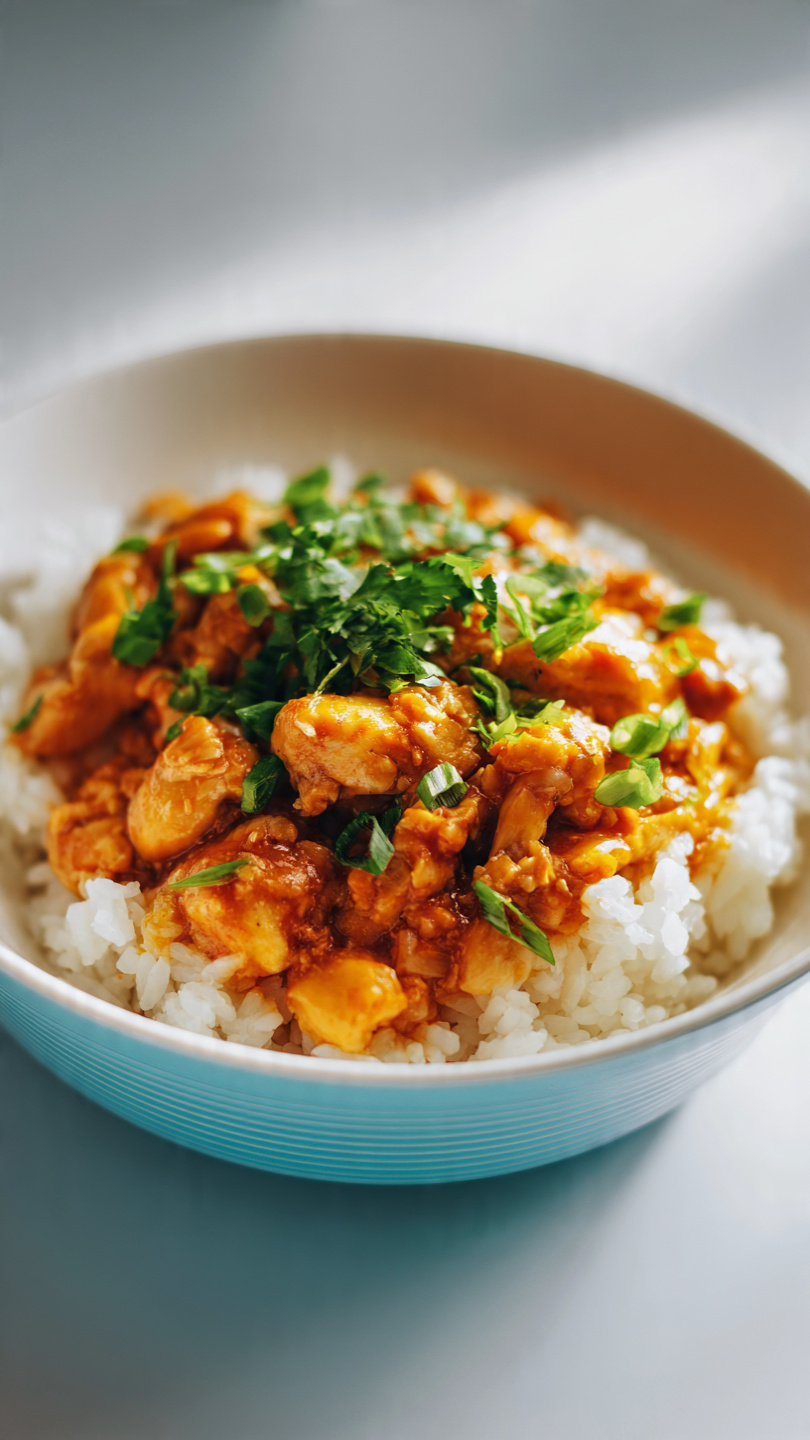
Homemade Teriyaki Chicken with Broccoli and Rice
This homemade teriyaki chicken recipe delivers sticky, glossy, restaurant-quality flavor in under 40 minutes, served over fluffy rice with crisp-tender broccoli for the perfect healthy weeknight dinner.

The Homemade Teriyaki Chicken Dinner You'll Make Every Week
There's something deeply satisfying about a bowl of teriyaki chicken done right. The sauce should be glossy, a little sticky, and balanced between sweet, savory, and just faintly tangy. The chicken should be tender and golden, the broccoli bright and crisp-tender, and the whole thing should come together over a pillow of steamed white rice. This is exactly that dinner.
This homemade teriyaki chicken recipe is one of those weeknight superstars that looks and tastes like it came from your favorite Asian-style restaurant but is genuinely faster than takeout. We're talking 40 minutes from fridge to table, mostly hands-off, and made entirely from pantry ingredients you likely already have.
Whether you're hunting for healthy dinner recipes, searching for new teriyaki chicken dinner ideas, or just tired of the same Tuesday night rotation, this dish delivers every single time.
Why Homemade Teriyaki Sauce Is Worth It
Bottled teriyaki sauce is convenient, but once you make your own, it's hard to go back. Homemade gives you complete control over the sweetness, the saltiness, and the depth of flavor. It also comes together in about 60 seconds with a whisk and a bowl.
The base of this sauce is low-sodium soy sauce, honey, and mirin, which is a sweet Japanese rice wine that brings a subtle complexity you simply can't replicate with shortcuts. Fresh garlic and grated ginger take it over the top. A cornstarch slurry added at the end transforms the thin sauce into a gorgeous, clingy glaze that coats every piece of chicken beautifully.
Chef's Tip: Always use low-sodium soy sauce here. Regular soy sauce combined with the natural saltiness of the other ingredients can make the final dish quite salty, especially as the sauce reduces and concentrates.
The Right Tools Make a Real Difference
For this recipe, a wide 12-inch skillet or a proper wok is genuinely important. You need enough surface area to sear the chicken in a single layer without steaming it, and enough room to toss the broccoli comfortably. A fine microplane grater also makes quick work of the ginger and gives you the most flavor from a small amount.
Choosing the Best Chicken for Teriyaki
For the best homemade chicken teriyaki, boneless skinless chicken thighs are the clear winner over chicken breasts. Here's why:
- Thighs are more forgiving. They stay juicy even if you cook them a minute too long, which is easy to do in a hot pan.
- They brown better. The slightly higher fat content encourages better caramelization, which adds flavor to the whole dish.
- They reheat beautifully. If you're meal prepping or eating leftovers, thighs stay tender while breasts can turn chalky.
That said, if chicken breast is what you have, it absolutely works. Just cut the pieces smaller and keep a close eye on them.
How to Get That Perfect Glossy Sauce
The secret to a restaurant-quality teriyaki glaze is the cornstarch slurry. Here's the move: mix equal parts cornstarch and cold water in a small bowl, then stir it into the sauce while everything is simmering in the pan. Within 60 to 90 seconds, the sauce transforms from a thin liquid into a thick, glossy coating that clings to every piece of chicken and broccoli.
A few things to keep in mind:
- Always mix cornstarch with cold water, never hot, or it will clump.
- Stir constantly once the slurry hits the pan to prevent lumps.
- The sauce will continue to thicken slightly off the heat, so pull the pan when it looks just a little looser than you want.
Chef's Tip: If your sauce gets too thick, add a tablespoon or two of water or low-sodium chicken broth and stir over low heat until it loosens up. Easy fix.
Building a Healthy Chicken Broccoli Rice Bowl
This is genuinely one of the most balanced healthy dinner recipes in the teriyaki chicken space. Each serving gives you a solid 38 grams of protein, complex carbohydrates from the rice, and real fiber and vitamins from the broccoli. It's filling without being heavy.
The broccoli is added directly to the skillet after the chicken is cooked, which means it picks up all those golden, savory pan drippings before the sauce goes in. It comes out tender but still has a satisfying bite, not mushy at all.
For the rice, plain long-grain white rice is classic and works perfectly. Jasmine rice is especially lovely here because its floral aroma pairs beautifully with the Asian-style flavors in the sauce. Brown rice is a great swap if you want more fiber, though it will need to cook separately for longer.
Ready to bring this teriyaki chicken recipe to life? Here is the full step-by-step recipe:
Homemade Teriyaki Chicken with Broccoli and Rice
This homemade teriyaki chicken recipe delivers sticky, glossy, restaurant-quality flavor in under 40 minutes, served over fluffy rice with crisp-tender broccoli for the perfect healthy weeknight dinner.
Ingredients
- 1 1/2 lb boneless skinless chicken thighs, cut into 1-inch pieces
- 3 cups broccoli florets, fresh or thawed from frozen
- 1 1/2 cups long-grain white rice, rinsed
- 3/8 cups low-sodium soy sauce, or tamari for gluten-free
- 3 tbsp honey, or brown sugar for a deeper flavor
- 2 tbsp mirin, Japanese sweet rice wine
- 1 tbsp rice vinegar
- 1 tsp sesame oil, toasted
- 3 garlic cloves, minced
- 1 tsp fresh ginger, grated or finely minced
- 1 tbsp cornstarch, mixed with 2 tbsp cold water to form a slurry
- 1 tbsp neutral cooking oil, vegetable or avocado oil
- 1 tsp sesame seeds, for garnish
- 2 green onions, thinly sliced, for garnish
Instruction
Cook the rice according to package directions. Keep warm until ready to serve.
In a small bowl, whisk together the soy sauce, honey, mirin, rice vinegar, sesame oil, garlic, and ginger until fully combined. Set the teriyaki sauce aside.
In a separate small bowl, mix the cornstarch with 2 tablespoons of cold water until smooth to create a slurry. Set aside.
Heat the cooking oil in a large skillet or wok over medium-high heat until shimmering.
Add the chicken pieces in a single layer and cook undisturbed for 3 to 4 minutes until golden brown on the bottom. Flip and cook for another 2 to 3 minutes until cooked through. Work in batches if needed to avoid crowding the pan.
Add the broccoli florets to the skillet and stir-fry with the chicken for 3 to 4 minutes until bright green and just tender.
Pour the teriyaki sauce over the chicken and broccoli and bring to a gentle simmer, stirring to coat everything evenly.
Give the cornstarch slurry a quick stir and pour it into the pan. Stir constantly for 1 to 2 minutes until the sauce thickens into a glossy glaze that coats the back of a spoon.
Remove from heat and taste for seasoning. Serve immediately over steamed rice, garnished with sesame seeds and sliced green onions.
Equipment
- Large skillet or wok (12-inch)
- Medium saucepan with lid (for rice)
- Small mixing bowls
- Whisk
- Cutting board and chef's knife
- Microplane or fine grater (for ginger)
- Wooden spoon or silicone spatula
Notes
Serving Ideas and Easy Variations
This dish is completely satisfying on its own, but here are a few ways to round it out or switch things up:
- Add more vegetables. Snap peas, sliced bell peppers, shredded carrots, or baby bok choy all work beautifully in this stir-fry alongside the broccoli.
- Make it a bowl bar. Set out toppings like sliced avocado, shredded cabbage, pickled cucumbers, or a soft-boiled egg and let everyone build their own bowl.
- Swap the protein. This exact sauce and technique works with salmon fillets, firm tofu, or shrimp. Adjust cook times accordingly.
- Go low-carb. Serve over cauliflower rice instead of white rice for a lighter take that still feels incredibly satisfying.
Storing and Meal Prepping
This is one of those teriyaki chicken dinner ideas that genuinely gets better as leftovers. Store the chicken, broccoli, and rice in separate airtight containers in the fridge for up to 4 days. The sauce firms up in the fridge but loosens right back up with a splash of water in the pan or a short run in the microwave.
For meal prep, cook a double batch of rice and sauce on Sunday and you'll have fast, healthy dinners ready to go all week long.